

What makes a perfectly moist delicious cake you ask? Here are some suggestions and tips that I have learnt over the years.
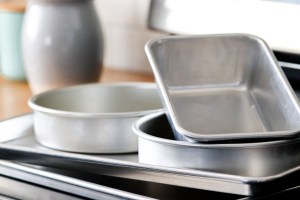
1. Use quality aluminum baking pans that are light in colour. Aluminum baking pans are non-reactive and conduct the heat well which results in even baking. When purchasing; look for non-shinny pans. Be cautious of dark coloured pans (Hard anodized bakeware) as they tend to absorb more heat which can affect bake times and often lead to deeper browning which can change the taste of your cake.
2. Use room temperature ingredients. Room temperature ingredients bond together easier and quicker because they are warmer. Always allow butter to sit on your counter for at least an hour before starting. To test it; poke the butter with your finger, you should make an indent without sliding all the way through. If you don’t have an hour to wait for butter to come to room temperature, simply put the butter on a plate. Then take a clean glass, fill it with hot water to warm it up. Discard the water and immediately put the warm glass upside down on top of the butter for a few minutes until softened. (Proper softened butter has a temperature between 65-67 degrees Fahrenheit.) I wouldn’t recommend warming butter in the microwave because it almost always melts.
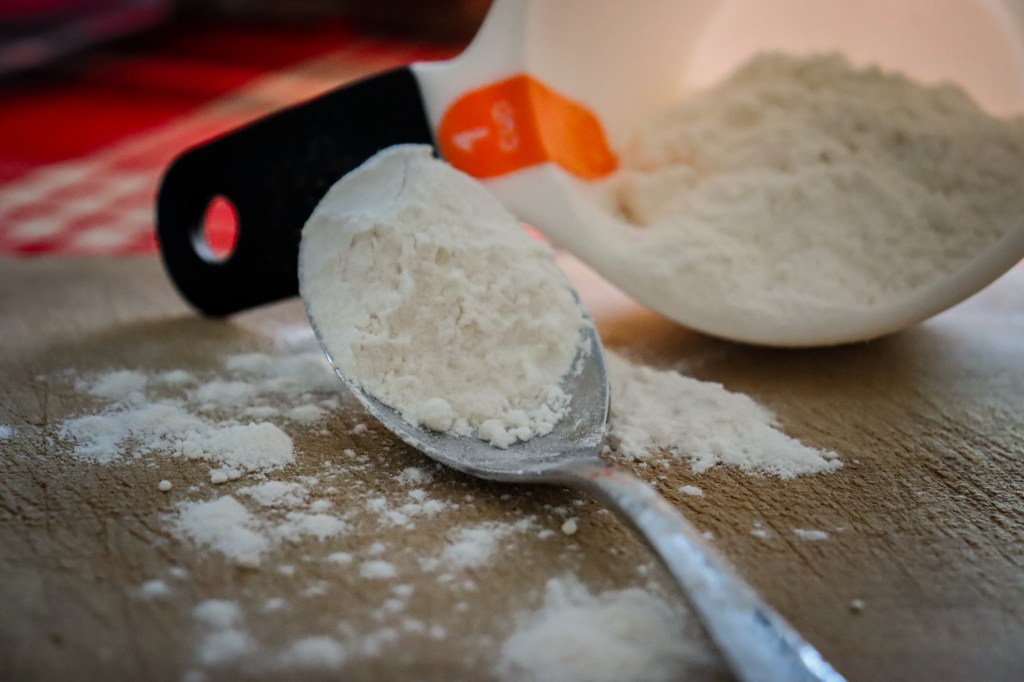
3. Measure your ingredients properly. To measure flour you should always spoon the flour into the measuring cup, and level it with the back of a knife. Flour packs easily, so dipping the measuring cup into the bag or canister will often yield too much flour.
When measuring white sugar, baking powder, baking soda, dip the measuring cup or spoon into the container and level with the back of a knife.
When measuring brown sugar, spoon the sugar into a measuring cup and firmly press down with the back of the spoon as you fill the measuring cup. Brown sugar should hold the shape of the measuring cup when its turned out.
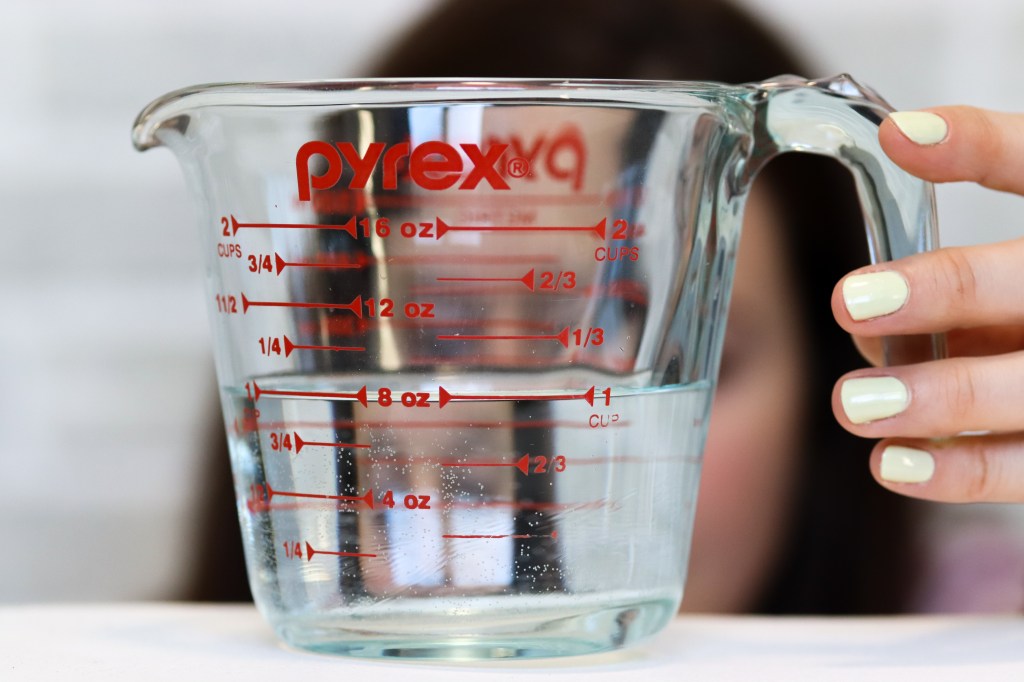
When measuring out liquid ingredients like milk, oil, or water, measure it at eye level using a liquid measuring cup. When you don’t measure at eye level, it’s far too easy to accidentally add an extra 1/4 cup of liquid without even realizing it.
4. Don’t over-mix. To get the best results, it is important not to over-mix the batter. Overmixing will result in dense cakes because the gluten will become over-developed. Follow the mixing instructions laid out in the recipe. When in doubt, always do the minimum amount of mixing necessary.
5. Use parchment paper rounds. Parchment paper rounds help the cake come out of the pan easily. You can buy pre-cut parchment paper rounds, but you can also make your own by tracing the back of your cake pan onto the parchment paper and cutting out the circles. Once you have your parchment paper rounds, grease the inside of the pan (I like to use shortening, but you may also use butter, or non stick spray) lay the parchment paper inside the pan, and then grease the parchment paper (yes.. we want to double grease it to prevent ANY sticking!) I use white parchment paper, but you may also use brown.
6. Determining when its ready to come out of the oven. The easiest and most common way to determine if your cake is ready to come out of the oven is to insert a toothpick into the center of the cake, if it comes out with a few crumbs, or clean; it’s ready. If the toothpick is still a little wet bake it for another couple minutes and test again until it comes out clean. Another way you can test it is by pressing down on the cake slightly, if it bounces back, it’s done, if your finger leaves an indent, it needs more time to bake.
7. Cool Completely. My cake is done, now what? Once your cake is ready, pull it out of the oven and let it sit in the pan for approximately 10 minutes. Then invert it onto a cooling rack until cooled completely, or wrap the warm cake in saran wrap and pop it into the freezer for a few hours. This also locks in the moisture and makes it incredibly easy to frost as it won’t be crumbling apart.
8. Storing Cakes. Store your cake at room temperature. (unless it contains perishable ingredients that could spoil – like whipped cream, or cream cheese) When presenting a cake for guests, I like to put my cake on a pretty cake stand with a glass dome. Otherwise, I find that a cake carrier is the best way to store a cake at room temperature. It will keep it fresh and prevent the icing from being ruined by saran wrap.

 Prairie Sweets & Eats